Overview
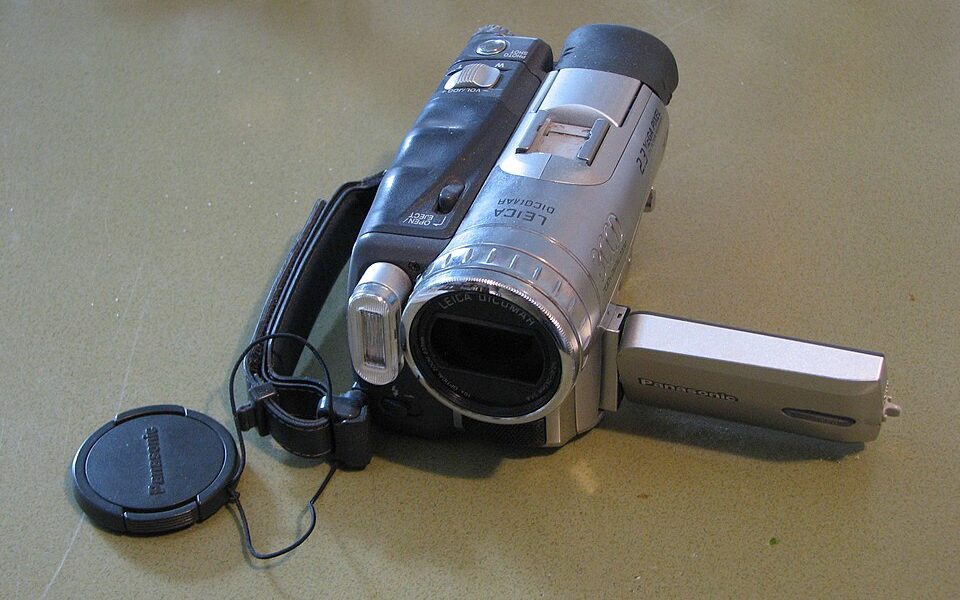
The MiniDV camcorder scene saw a revolutionary player with the introduction of the Panasonic PV-GS series. These camcorders were designed during the golden era of digital videotaping, offering enthusiasts a compelling mix of compact design, ease of use, and respectable performance. The PV-GS series became a staple for those who cherished capturing life’s moments on MiniDV tapes, which were all the rage back in the day. Known for their durability and reliability, these tapes provided a perfect medium for preserving memories in a tangible format, a stark contrast to the intangible nature of today’s digital files. The camcorders emerged as a favorite for both family outings and budding filmmakers, eager to experiment with video technology.
Key Specifications
The Panasonic PV-GS series was celebrated for its range of features that catered to both amateur videographers and serious hobbyists. Below is a table capturing the key specifications for the PV-GS series:
| Feature | Specification |
|---|---|
| Sensor | 1/6-inch CCD |
| Resolution | Varies by model: GS2/GS12/GS80 = 1/6-inch single CCD, 680,000 pixels; GS200 = 3x 1/6-inch CCDs, 800,000 pixels each (2.3 MP still capability) |
| Optical Zoom | Varies: GS2=22x, GS12=20x, GS80=32x, GS200=10x (Leica Dicomar) |
| Digital Zoom | Up to 1000x |
| Image Stabilization | GS80: Optical IS (O.I.S.); GS2/GS12: Digital IS; GS200: Optical IS |
| LCD Screen | 2.5-inch color LCD |
| Connectivity | IEEE 1394, USB 2.0 |
| Battery Life | Approximately 90 minutes |
| Dimensions | 2.9 x 4.1 x 3.4 inches |
| Weight | GS2=383g, GS12=399g, GS80=431g, GS200=458g |
The 1/6-inch CCD sensor, though modest, was quite advanced for its time, supporting the capture of vibrant colors and decent image quality. The device’s battery life, approximately 90 minutes, allowed users to capture extended footage during outings or events without frequent interruptions for recharging.
Critical model differences within the PV-GS series:
- PV-GS200: 3x 1/6-inch CCDs (one per color channel) + Leica Dicomar lens + Optical IS. This is the 3CCD model. 2004. ~$499–599 USD. Weight: 458g.
- PV-GS80: Single 1/6-inch CCD (NOT 3CCD) + 32x optical zoom + Optical IS (O.I.S.) + 2.7-inch widescreen LCD. 2006–2007. Weight: 431g.
- PV-GS12: Single 1/6-inch CCD (NOT 3CCD) + 20x zoom + Digital IS. 2005–2006. Weight: 399g.
- PV-GS2: Single 1/6-inch CCD (NOT 3CCD) + Leica Dicomar + 22x zoom + Digital IS. 2003–2004. Weight: 383g.
A common error is describing the entire PV-GS series as “3CCD” — only the PV-GS200 (and higher-end models like GS300, GS400) used 3-chip CCD systems.
Video Quality
The video quality of the Panasonic PV-GS series was quite remarkable for its time. The camcorders utilized a 1/6-inch CCD sensor that, while modest by today’s standards, delivered vibrant and clear video when lighting conditions were favorable. The 24x optical zoom lens allowed for impressive close-ups without sacrificing clarity, a feature that was particularly appreciated by wildlife and sports enthusiasts. Its optical image stabilization played a crucial role in reducing handshake, making handheld shooting a breeze. While the DV video format provides 500 lines of horizontal resolution across all PV-GS models. The 800,000-pixel figure relates to the PV-GS200’s 3CCD still image capability, not to standard video recording, the overall quality was sufficient to produce sharp home videos that stood the test of time. The MiniDV format itself was pivotal in ensuring that the video captured was not only high in quality but also easy to archive for future viewings.
Ease of Use
One of the standout features of the Panasonic PV-GS series was its user-friendly design. The camcorders were lightweight and compact, fitting comfortably in the hand, which made them ideal for on-the-go shooting. The intuitive control layout, coupled with a responsive 2.5-inch color LCD screen, made navigating menus and adjusting settings straightforward. The inclusion of both USB 2.0 and IEEE 1394 ports ensured that transferring footage to a computer was a hassle-free process, bridging the gap between analog and digital realms for many users. This ease of use was crucial at a time when digital video was just beginning to gain popularity, providing a seamless transition for users familiar with analog formats.
Pros & Cons
Pros
- Compact and Lightweight: Easy to carry and use for extended periods.
- Optical Image Stabilization: Provides steady shots, even in motion.
- 24x Optical Zoom: Allows for detailed close-ups without losing quality.
- User-Friendly Interface: Simple controls and menu navigation.
- Versatile Connectivity: Multiple ports for easy data transfer.
Cons
- Limited Low-Light Performance: Struggles in dimly lit environments.
- Basic Resolution: 800,000 pixels can seem low compared to modern standards.
- Reliance on MiniDV Tapes: With digital formats being predominant, finding tapes and players might be challenging.
Common Issues & Solutions
Despite its many advantages, users of the Panasonic PV-GS series might encounter some common issues. One such issue is the camcorder’s limited performance in low-light conditions. To mitigate this, users are advised to ensure ample lighting when shooting or consider using an external light source if necessary. Another potential issue is the wear and tear of MiniDV tapes over time. To preserve video quality, it is recommended to store tapes in a cool, dry place and make digital backups when possible. If you experience connectivity issues with modern computers, consider using a dedicated IEEE 1394 card or adapter for seamless data transfer.
Where to Buy Today
For those interested in revisiting or collecting the Panasonic PV-GS series, there are several avenues to explore. Online marketplaces such as eBay or Amazon often have listings from sellers offering both new-old-stock and second-hand units. Additionally, specialized camera stores or forums dedicated to vintage technology might offer these camcorders, sometimes along with original accessories and MiniDV tapes. Collectors often cherish the Panasonic PV-GS series not only for its performance but also for its role in the evolution of video technology, making it a worthy addition to any collection focused on the transition from analog to digital.
Verdict
The Panasonic PV-GS series MiniDV camcorder remains a charming relic of a bygone era, embodying the transition from analog to digital video. While it may not compete with today’s high-definition digital cameras, its nostalgic value and straightforward functionality make it a beloved choice for retro video enthusiasts. Whether you’re a collector or someone who simply appreciates the tactile feel of MiniDV tapes, the PV-GS series offers a delightful journey back to the basics of videography. For those seeking a reliable, nostalgic recording experience, this MiniDV camcorder series is undoubtedly worth exploring. It serves as a tangible reminder of a time when capturing memories was a tactile and intimate affair, one that many enthusiasts still cherish today.